
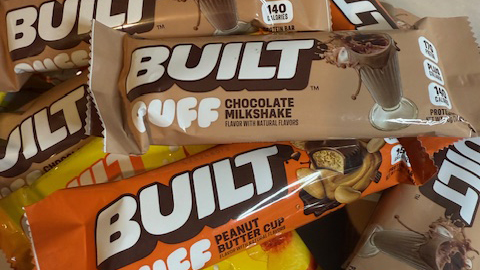
If you ask me what snack I always keep on hand, the answer is simple: Built Puff bars. Whether I’m trying to hit my protein goals, manage midday cravings, or just make a healthier snack choice, these puffs rarely let me down.
If you want to try them too, here’s my affiliate link (thank you for your support!): Try Built Puff bars here
What Makes Built Puff Bars Special
Here’s a snapshot of the nutrition you’ll get from one Built Puff bar (or “puff”):
- Calories: ~ 140 kcal
- Protein: ~ 17 g
- Sugar: ~ 4–6 g (some varieties are labeled “4 g of sugar”)
- Carbohydrates: ~ 13 g total (net carbs depend on fiber)
- Other notes: Many versions are gluten free.
- Some bars also include a collagen + whey protein blend in their formula.
In short: You get a fairly high protein punch for relatively modest calories and sugar, which is exactly the kind of snack I love to reach for.
Why Protein Matters (Especially in Peri-Menopause and Menopause)
As women transition through perimenopause and into menopause, protein becomes more than just a macronutrient — it’s a tool for preserving strength, metabolism, and overall health. Here’s why:
1. Muscle Mass & Strength
With declining estrogen and other hormonal shifts, women tend to lose lean muscle more rapidly. This is sometimes accelerated in the menopause transition. Adequate protein can help slow that loss and support muscle repair and function.
2. Bone Health
Protein supports the collagen matrix of bone and plays a role in bone remodeling. As bone density becomes more vulnerable during and after menopause, pairing adequate protein with calcium, vitamin D, and resistance exercise is smart.
3. Metabolism & Weight Management
Muscle is metabolically active. Losing muscle means your resting metabolic rate can slow. Also, protein is more satiating than carbs or fat, helping control appetite and prevent overeating or snacking on less nutritious foods.
4. Better Hormonal & Metabolic Balance
Protein is needed to make hormones, enzymes, transporters, and other building blocks. Low protein can exacerbate fluctuations in mood, energy, blood sugar regulation, and more during menopause.
How Much Protein Do You Need?
General guidelines suggest that postmenopausal women might benefit from 1.0 to 1.2 g protein per kg body weight (or even higher, depending on activity) — rather than the older RDA of 0.8 g/kg.
For example, a 70-kg woman might aim for 70–84 g of protein per day. Some experts advocate spacing protein evenly across meals (e.g. 20–30 g per meal) to maximize muscle protein synthesis.
It’s important to note that as we age, our bodies may become somewhat “resistant” to protein (less efficient at using it for muscle building), so slightly higher intakes and smart distribution matter more.
Where Built Puff Bars Fit In
Here’s how you might use a Built Puff bar in a menopause-friendly nutrition plan:
- Mid-morning snack: After breakfast, as a protein boost before lunch
- Post-workout: If you do strength training or resistance work, consuming a protein snack soon afterward helps recovery
- On-the-go option: When you’re out or traveling and need something convenient that delivers protein without excess sugar
- Evening snack (if needed): Helps curb sugar cravings and stabilizes blood sugar before bed
Because each puff gives you ~17 g of protein, two would cover a solid chunk of many women’s per-meal goals (depending on your total target). Just be sure the rest of your day includes whole food proteins too (meats, fish, dairy, legumes, eggs, etc.).
If you want to try them too, here’s my affiliate link (thank you for your support!): Try Built Puff bars here
What Makes Built Puff Bars Special
Here’s a snapshot of the nutrition you’ll get from one Built Puff bar (or “puff”):
- Calories: ~ 140 kcal
- Protein: ~ 17 g
- Sugar: ~ 4–6 g (some varieties are labeled “4 g of sugar”)
- Carbohydrates: ~ 13 g total (net carbs depend on fiber)
- Other notes: Many versions are gluten free.
- Some bars also include a collagen + whey protein blend in their formula.
In short: You get a fairly high protein punch for relatively modest calories and sugar, which is exactly the kind of snack I love to reach for.
Why Protein Matters (Especially in Peri-Menopause and Menopause)
As women transition through perimenopause and into menopause, protein becomes more than just a macronutrient — it’s a tool for preserving strength, metabolism, and overall health. Here’s why:
1. Muscle Mass & Strength
With declining estrogen and other hormonal shifts, women tend to lose lean muscle more rapidly. This is sometimes accelerated in the menopause transition. Adequate protein can help slow that loss and support muscle repair and function.
2. Bone Health
Protein supports the collagen matrix of bone and plays a role in bone remodeling. As bone density becomes more vulnerable during and after menopause, pairing adequate protein with calcium, vitamin D, and resistance exercise is smart.
3. Metabolism & Weight Management
Muscle is metabolically active. Losing muscle means your resting metabolic rate can slow. Also, protein is more satiating than carbs or fat, helping control appetite and prevent overeating or snacking on less nutritious foods.
4. Better Hormonal & Metabolic Balance
Protein is needed to make hormones, enzymes, transporters, and other building blocks. Low protein can exacerbate fluctuations in mood, energy, blood sugar regulation, and more during menopause.
How Much Protein Do You Need?
General guidelines suggest that postmenopausal women might benefit from 1.0 to 1.2 g protein per kg body weight (or even higher, depending on activity) — rather than the older RDA of 0.8 g/kg.
For example, a 70-kg woman might aim for 70–84 g of protein per day. Some experts advocate spacing protein evenly across meals (e.g. 20–30 g per meal) to maximize muscle protein synthesis.
It’s important to note that as we age, our bodies may become somewhat “resistant” to protein (less efficient at using it for muscle building), so slightly higher intakes and smart distribution matter more.
Where Built Puff Bars Fit In
Here’s how you might use a Built Puff bar in a menopause-friendly nutrition plan:
- Mid-morning snack: After breakfast, as a protein boost before lunch
- Post-workout: If you do strength training or resistance work, consuming a protein snack soon afterward helps recovery
- On-the-go option: When you’re out or traveling and need something convenient that delivers protein without excess sugar
- Evening snack (if needed): Helps curb sugar cravings and stabilizes blood sugar before bed
Because each puff gives you ~17 g of protein, two would cover a solid chunk of many women’s per-meal goals (depending on your total target). Just be sure the rest of your day includes whole food proteins too (meats, fish, dairy, legumes, eggs, etc.).
Tips & Caveats
- Always consider the rest of your macro and micronutrient balance. A high-protein snack doesn’t replace whole meals.
- Pair your protein intake with resistance training (weights, bodyweight exercises) to stimulate muscle growth.
- Stay hydrated, and ensure adequate calcium, vitamin D, magnesium, and other nutrients essential in menopause.
- Check for allergies or intolerances — some Built Puffs contain whey/collagen.
- Because Built Puff is a processed snack, it’s fine in moderation — it can complement, not substitute, whole single-ingredient sources of protein.
- As with any supplement or branded product, disclose your affiliate relationship clearly (as you’re doing).
Sample Day Around Protein + Built Puff
| Meal / Time | Protein Source | Notes |
|---|---|---|
| Breakfast | Greek yogurt + eggs + berries | ~20–25 g |
| Mid-morning snack | Built Puff bar (17 g) | Convenient, portable |
| Lunch | Grilled chicken / fish + veggies | ~25–30 g |
| Afternoon | Cottage cheese, nuts, or legume-based snack | ~10–15 g |
| Dinner | Plant + animal protein (e.g. tofu + meat or legumes) | ~25–30 g |
| Evening (optional) | A small protein snack, or protein-rich drink | ~10–15 g if needed |
Final Thoughts
Built Puff bars are one of my favorite go-to snacks for hitting protein goals without excessive sugar or fuss. They’re portable, tasty, and fit well into a nutrition plan, especially for women navigating perimenopause and menopause.
If you try them, I hope they become a helpful tool for you too. And if folks want to grab a pack, here’s my affiliate link again: Try Built Puff bars here
- Always consider the rest of your macro and micronutrient balance. A high-protein snack doesn’t replace whole meals.
- Pair your protein intake with resistance training (weights, bodyweight exercises) to stimulate muscle growth.
- Stay hydrated, and ensure adequate calcium, vitamin D, magnesium, and other nutrients essential in menopause.
- Check for allergies or intolerances — some Built Puffs contain whey/collagen.
- Because Built Puff is a processed snack, it’s fine in moderation — it can complement, not substitute, whole single-ingredient sources of protein.
- As with any supplement or branded product, disclose your affiliate relationship clearly (as you’re doing).